The Shenango sets the terms
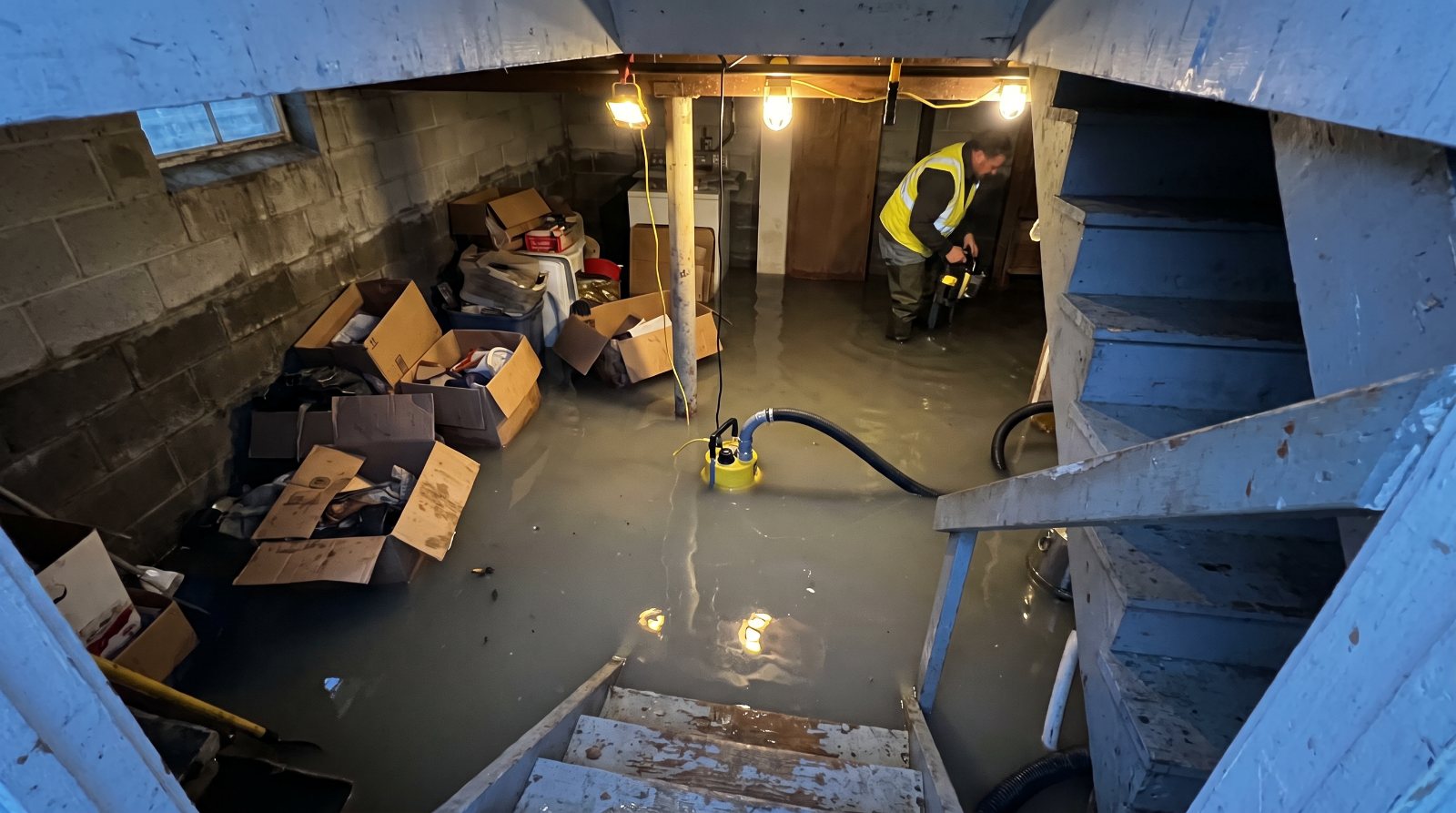
Greenville sits in the Shenango River valley, and the river is the first thing to understand about property here. Low-lying areas take genuine surface water in heavy spring rain and rapid snowmelt, and the water table across much of the borough sits high enough that seasonal basement seepage is routine rather than exceptional.
Both of those are typically coverage exclusions rather than claims — surface water and groundwater need a separate flood policy in Pennsylvania. It is worth knowing that before a loss, not after a denial, and we will tell you which category yours falls into before you call your carrier.
The housing is older borough and industrial-era stock: frame houses on block and stone foundations, long uninsulated supply runs, clay laterals under the older streets. Thiel College adds a rental and seasonal-occupancy layer, which means the familiar problem of a split line running in an empty property over a break until somebody walks in and finds a job that now includes remediation as well as drying.
Greenville runs about 105 minutes from our Erie staging point and is covered 24 hours a day.
Shut the water main off if it's a supply leak. Kill power at the breaker to the affected area if water is near outlets — never wade into standing water to reach the panel. Lift what you can. Photograph everything before it's touched.
Greenville areas we serve
Greenville Borough · Hempfield Township · Sugar Grove Township · Thiel College area · Main Street · Clinton Street · Shenango Street · Route 58 corridor · Route 18 corridor · Shenango River corridor
All services in Greenville
Valley-town patterns
Shenango surface water
Low-lying properties taking genuine flooding. Excluded without a flood policy, and handled as contaminated water.
High water table seepage
Routine seasonal seepage through unsealed block and stone foundations across much of the borough.
Frozen supply lines
Long uninsulated runs in older frame housing during hard inland freezes.
Undiscovered rental leaks
Empty properties where a split line runs for days, adding remediation to the drying scope.
Greenville questions
How long will it take you to get to Greenville?
About 105 minutes from Erie. That is the real figure, and the dispatcher will confirm it on the call rather than quoting our city response time.
The river came up into my basement. Will insurance pay?
Generally not on a standard homeowners policy — surface water is a standard exclusion requiring separate flood coverage. We document it thoroughly regardless, and we will tell you what we think the claim will support before you file.
Is river water treated as clean water?
No. It carries soil, agricultural and road runoff, and bacteria, so it is Category 3. Carpet, pad, drywall and insulation it reached are removed rather than dried in place, and the space is decontaminated before rebuild.
My basement seeps every spring. Is that something you handle?
Yes, and we will be straight with you about it. We can dry it, address grading and drainage, and size a sump properly. What nobody can honestly promise is a permanently bone-dry basement on a high-water-table valley lot.