Creek-side lots and older borough stock
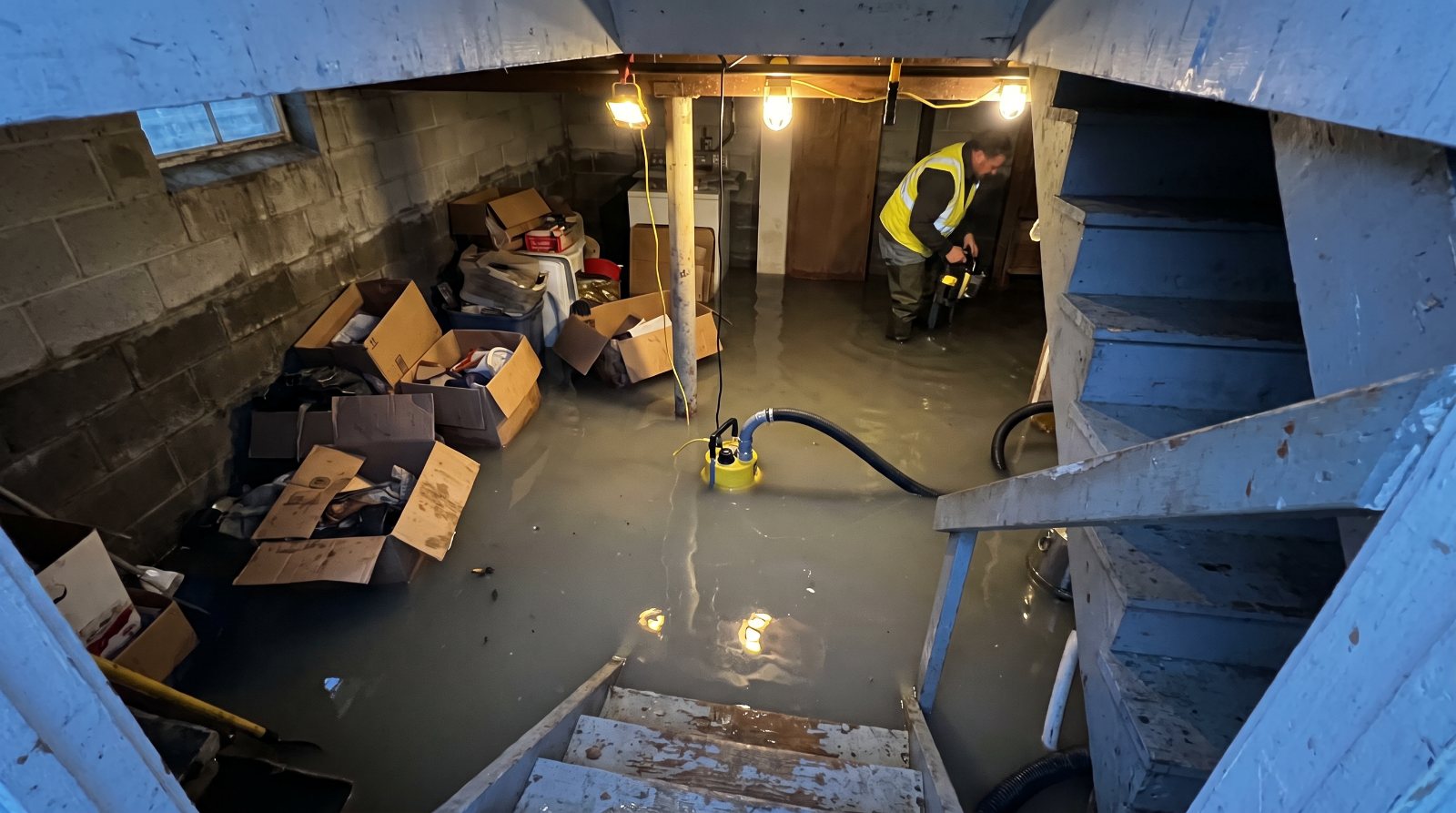
Girard combines a compact older borough with township parcels that run along Elk Creek and its tributaries, and the creek is the thing that makes this area distinctive. Properties near the creek corridors deal with a higher water table and, in heavy spring rain, genuine surface water — which is a coverage problem as much as a restoration one, since surface flooding is excluded from a standard homeowners policy without a flood endorsement.
In the borough the pattern looks like the rest of older Erie County: block foundations, clay laterals, uninsulated supply runs that split in a hard freeze. Girard also has a fair amount of housing that has been converted or subdivided over the years, and those conversions frequently hide plumbing that was rerouted without much thought about where it would freeze.
The rural parcels are largely on well and septic, so a wastewater failure and a water loss can be the same event, and that changes the job from drying to biohazard decontamination.
Girard, Platea and the surrounding township run about 60 minutes from our Erie staging point.
Shut the water main off if it's a supply leak. Kill power at the breaker to the affected area if water is near outlets — never wade into standing water to reach the panel. Lift what you can. Photograph everything before it's touched.
Girard area coverage
Girard Borough · Girard Township · Platea · Lake Street · Main Street · Route 20 corridor · Elk Creek corridor · Cherry Hill · Rice Avenue area
All services in Girard
Four local failures
Creek-corridor surface water
Elk Creek and tributary properties taking genuine surface flooding. Generally excluded without a flood policy — we will say so up front.
Split supply lines
Uninsulated runs, and rerouted plumbing in converted houses that ended up somewhere it freezes.
Lateral & drain backups
Older borough sewer infrastructure surcharging back into basements.
Septic system failures
Rural parcels where wastewater and water damage arrive together as one Category 3 loss.
Girard questions
How fast can you get to Girard?
Around 60 minutes, covering the borough, township and Platea. The dispatcher gives you a live ETA based on the nearest available crew.
The creek came up and got into my basement. Will insurance cover it?
Usually not under a standard homeowners policy — surface water and groundwater are typical exclusions, and a separate flood policy is what covers them. We will document it properly either way, and tell you honestly what we think before you file.
Is water from a creek treated like clean water?
No. Surface water carries soil, agricultural runoff, bacteria and whatever it passed through on the way in, so it is treated as contaminated. Porous materials it touched come out rather than being dried in place.
What can I do to stop it happening again?
Grading and drainage away from the foundation, a properly sized sump with a battery backup, and sealing obvious entry points. It is not always fully solvable on a creek-corridor lot, and we will tell you if that is the case rather than sell you something that will not work.