Erie restoration guides
Written for this housing stock and this climate. Mostly about how to avoid needing us.
Featured
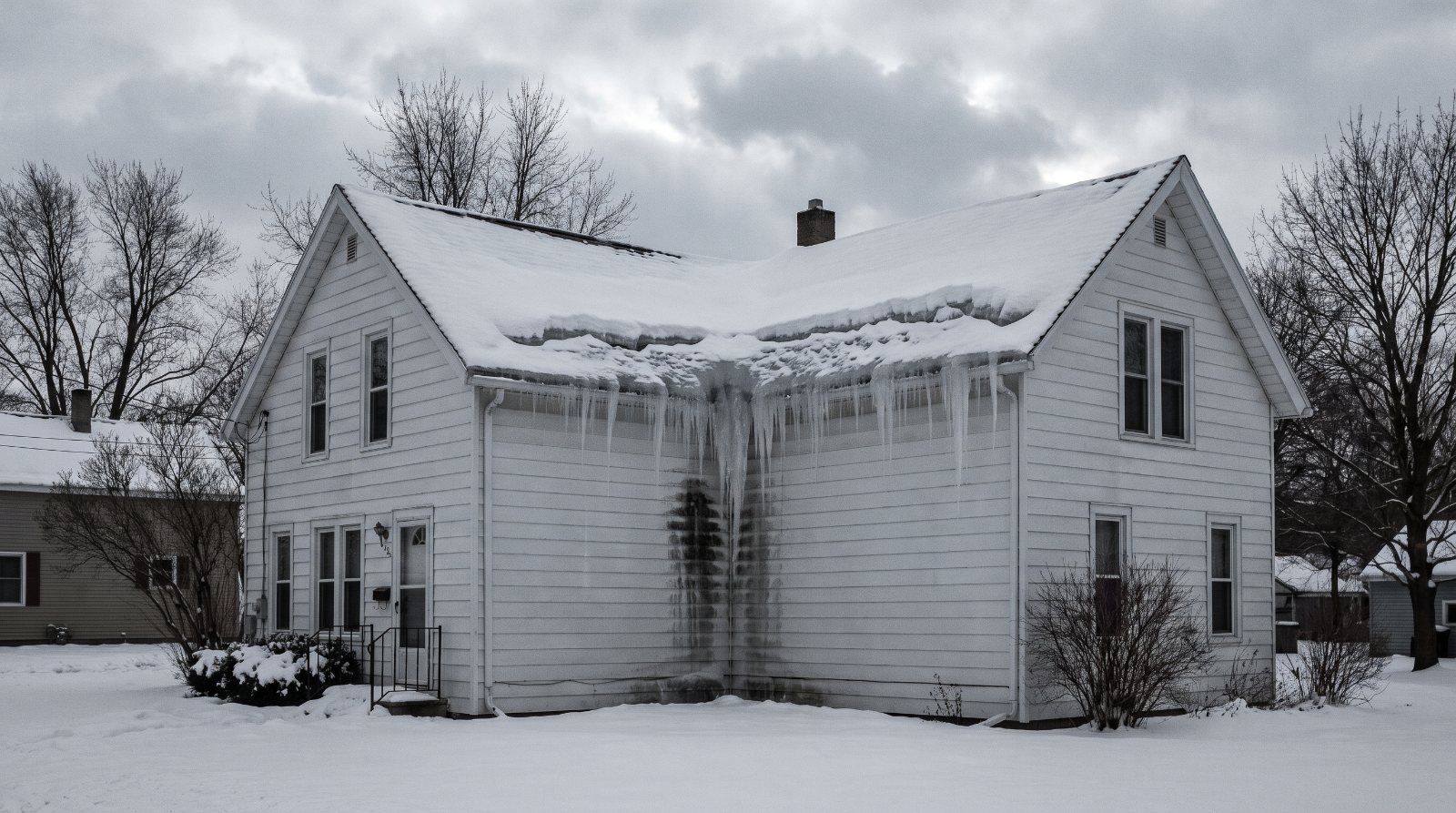
The Erie ice dam problem, and the four fixes that actually work
Lake-effect snow load melts against a warm roof deck, refreezes at the cold eave, and backs water up under the shingles. By the time you see a stained bedroom ceiling in February, water has been in the wall for weeks. Why heat cables are usually the wrong answer, and what to do instead.
Read the guide →Water & basements
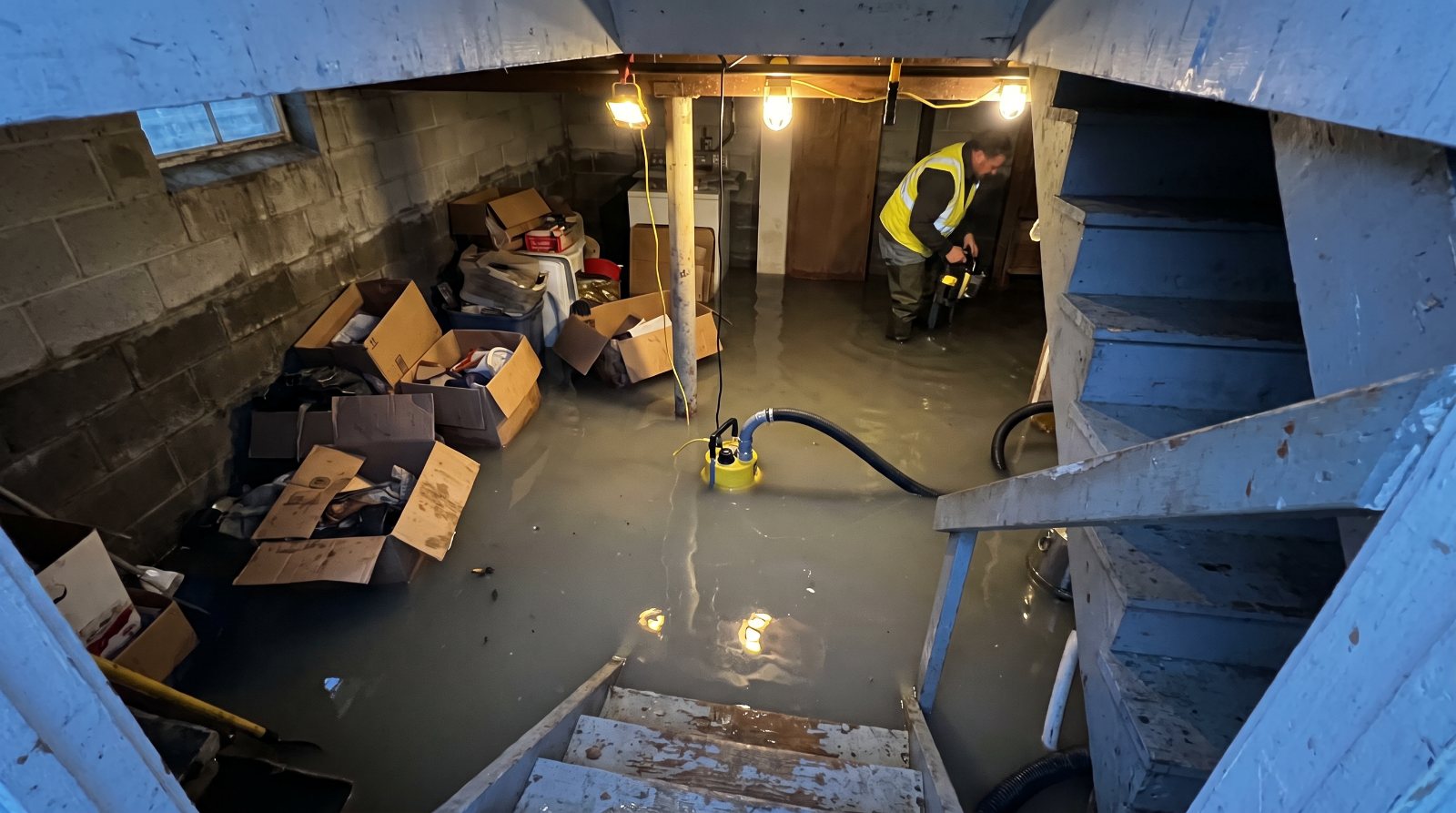
Why your sump pump will fail during the thaw
The three failure modes we see every March, and why a battery backup is the cheapest insurance a finished basement can have.
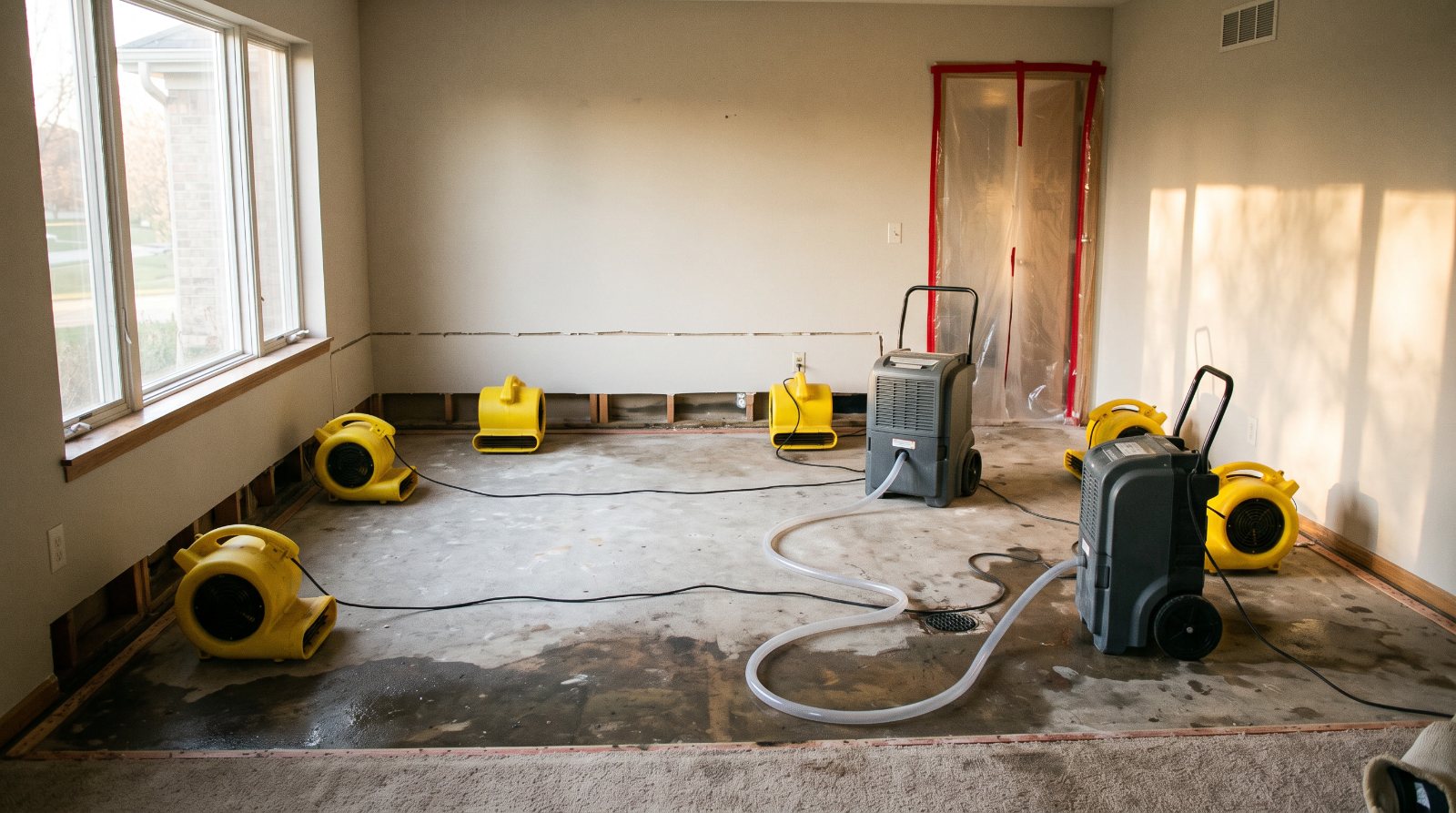
When a wet-vac is enough, and when it isn't
An honest line between the spill you can handle yourself and the one that needs meters. Box fans move humidity around; they don't dry a structure.
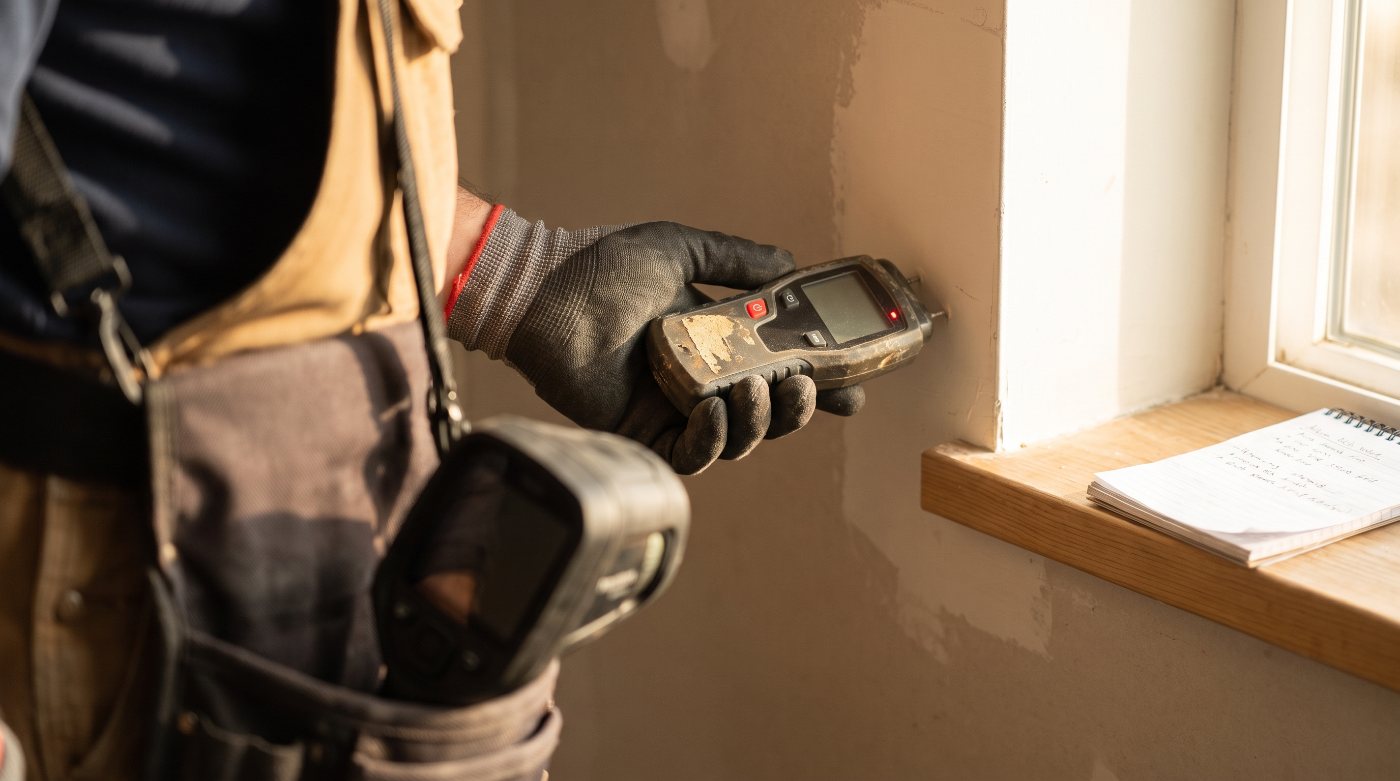
Freeze-proofing an older Erie house
The five pipe runs that split first in this housing stock, what to insulate before December, and the shut-off you should be able to find in the dark.
Mold, air & fire
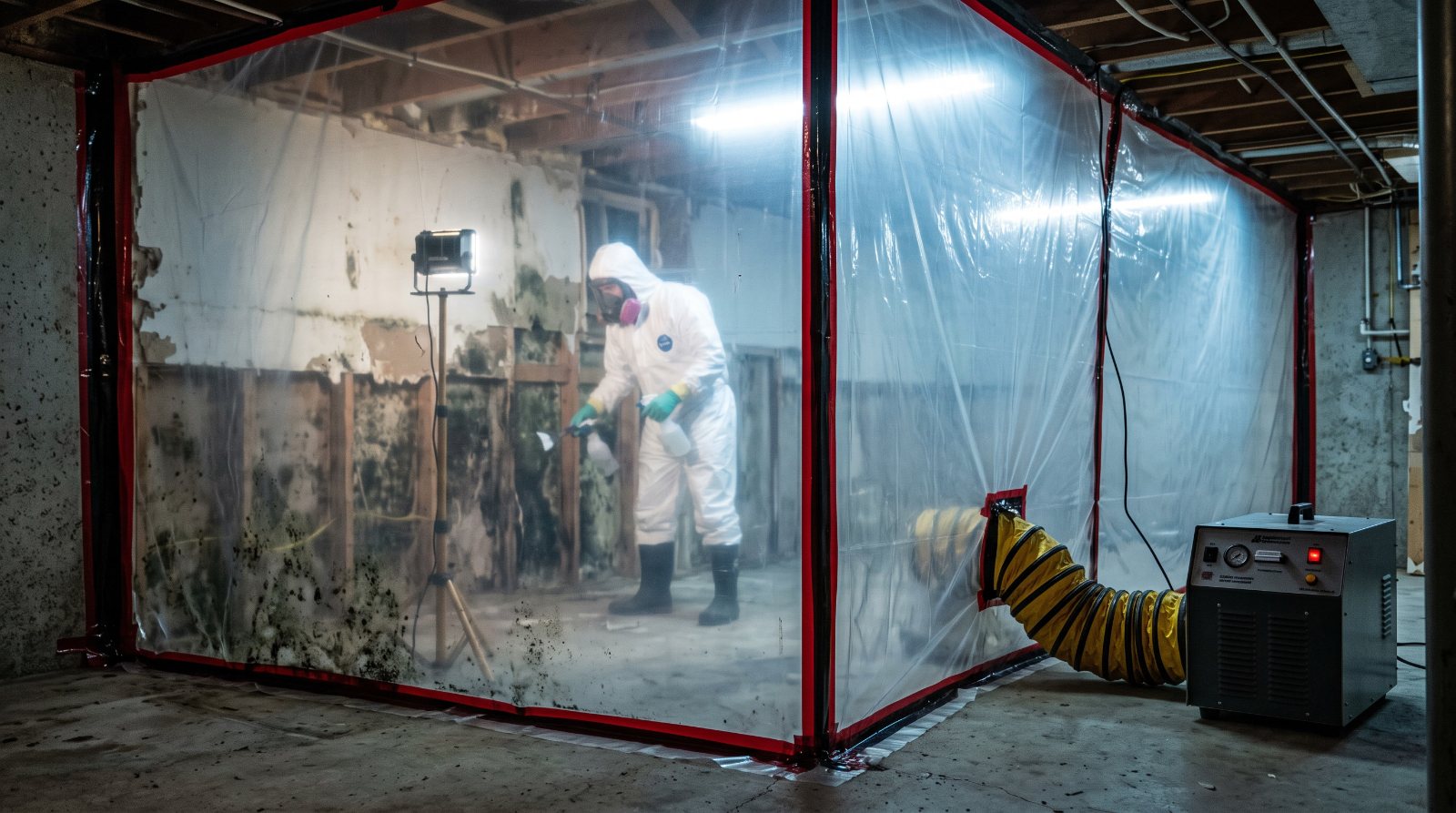
Why the musty smell keeps coming back
Almost always an uncorrected moisture source: bare crawl space soil, a bath fan venting into the attic, or grading that sends water at the foundation.
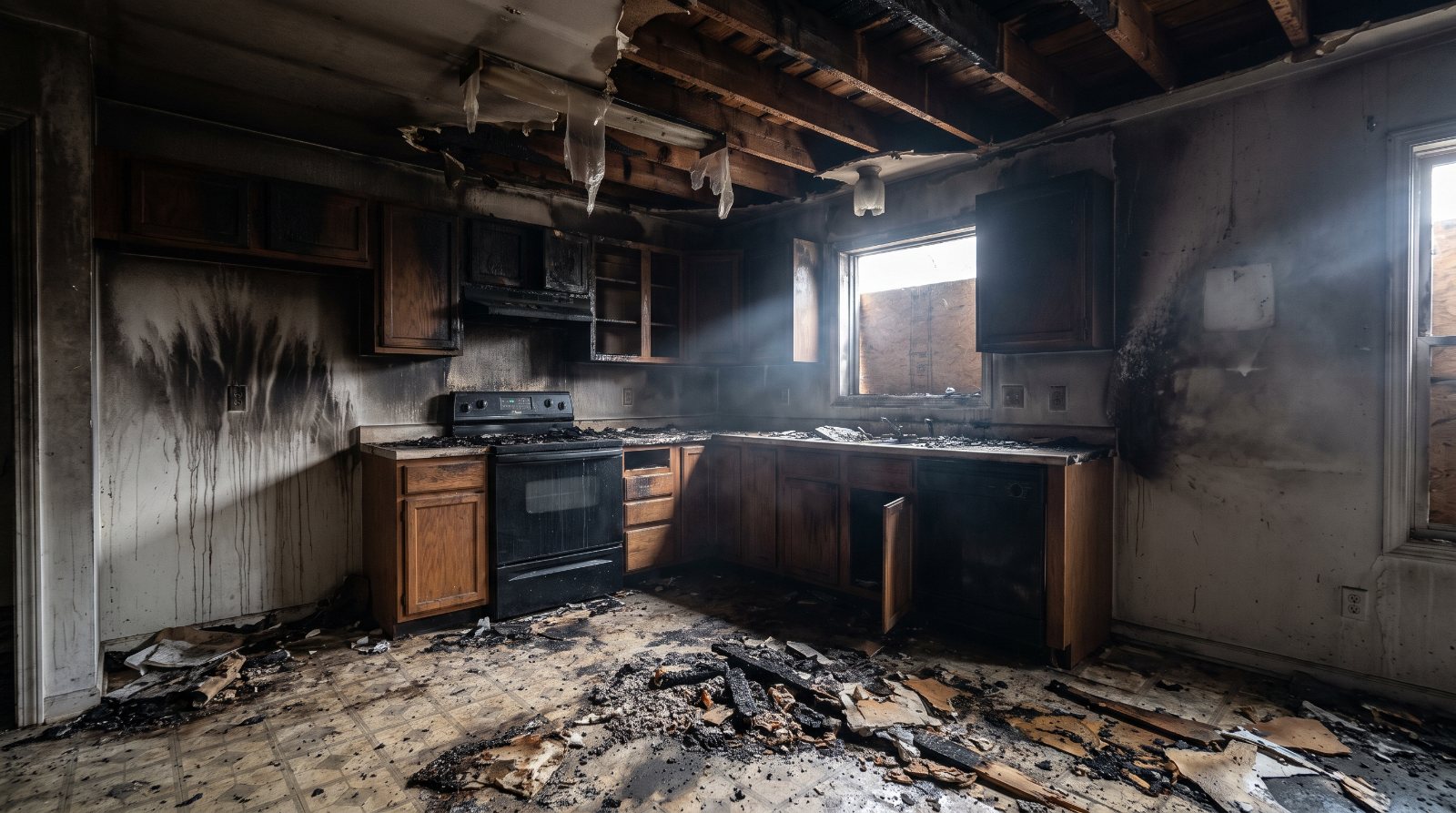
Don't wipe the soot. Here's why.
Soot is acidic and abrasive. A household cleaner and a cloth drives it into the surface and can set the stain permanently. What to do in the first day instead.
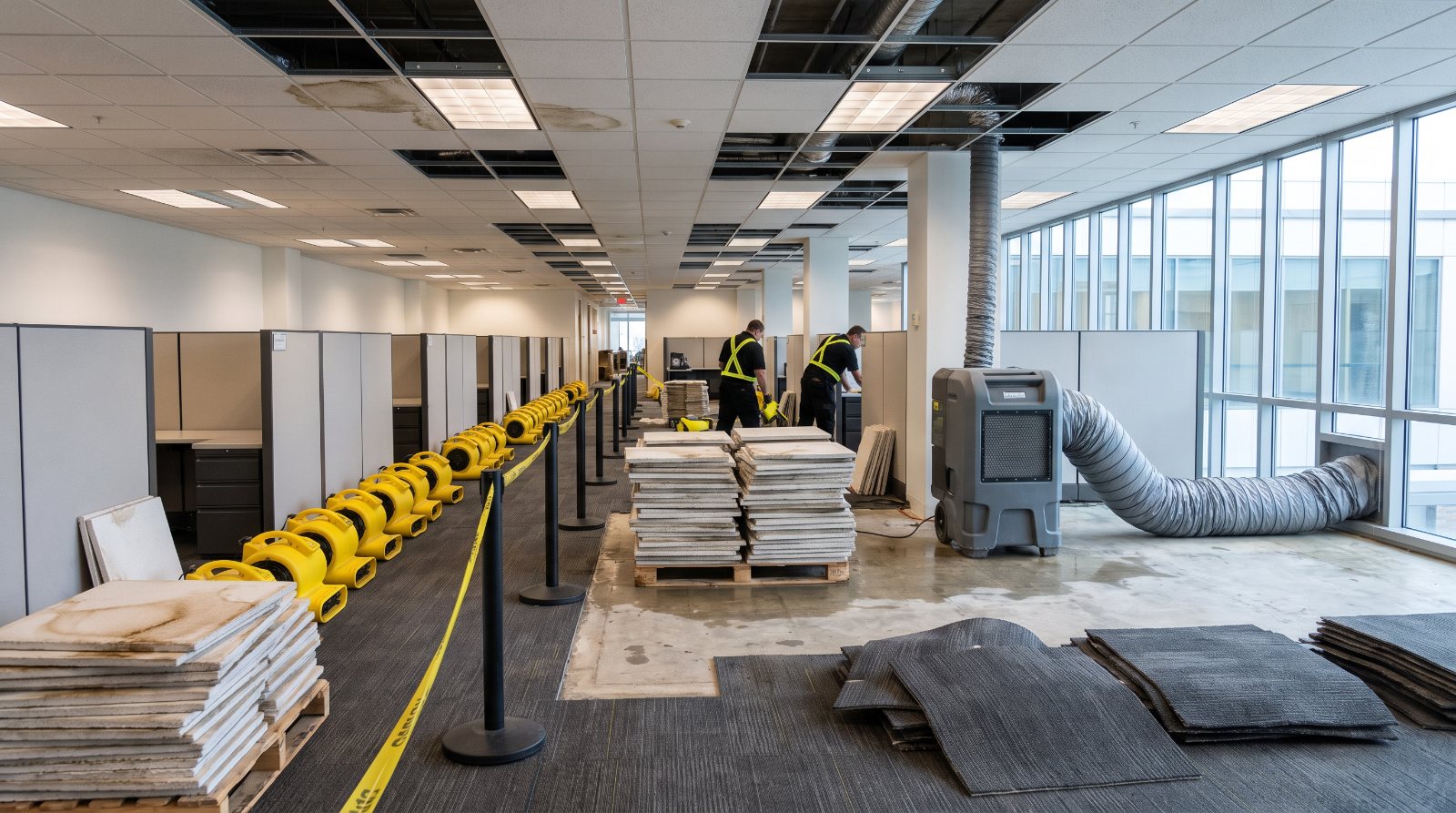
The 20-minute emergency plan every building should have
Where the shut-offs are, who can authorise work after hours, and why that one page is the difference between a two-day closure and a two-week one.
Insurance & claims
How a restoration claim actually works in Pennsylvania
What's covered, what's excluded, what an adjuster needs from you, and the five mistakes that quietly reduce payouts.
Read the guide → CLAIMS · 4 MIN READThe water backup endorsement most Erie homeowners don't have
Sewer and sump failure isn't covered by a standard policy. In a county with clay laterals and finished basements, that's the loss we're called for most.
Read the guide →Got a question these don't answer?
Ask a dispatcher. It's free, there's no pitch, and if the answer is that you don't need us, that's the answer you'll get.